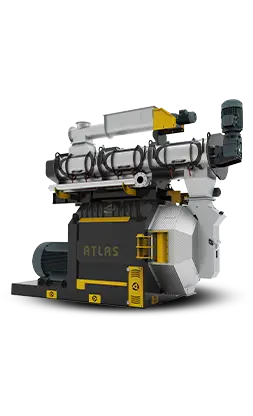
What Is the Cost of Setting Up a Feed Mill? - Atlasyem
News
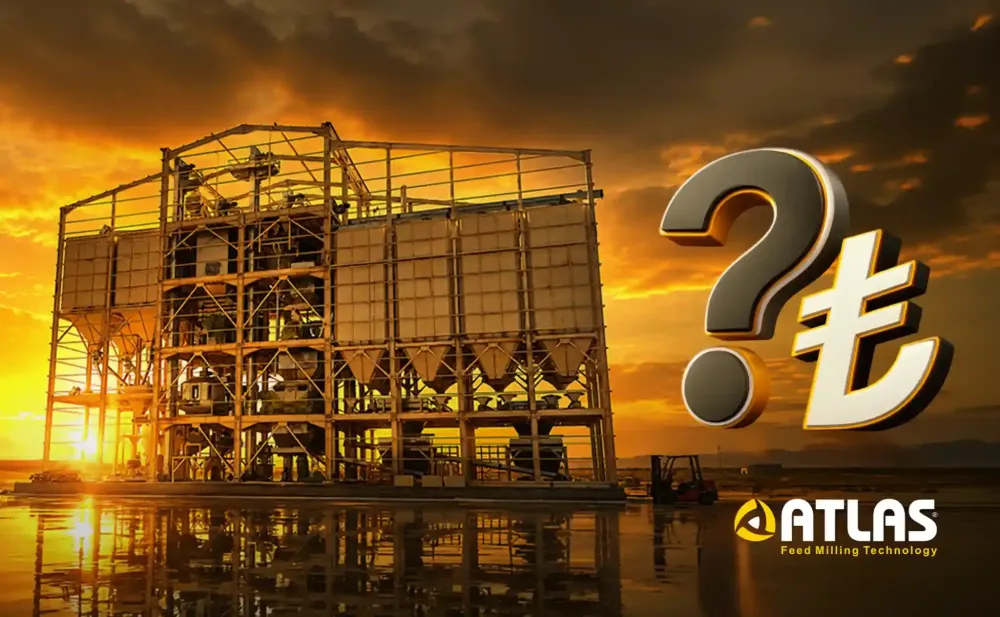
What Is the Cost of Setting Up a Feed Mill?
The cost of setting up a feed mill varies depending on the production capacity of the facility, the equipment to be used, building specifications, level of automation, and type of feed to be produced. The investment requirements of a small-scale operation are not the same as those of a high-capacity industrial facility.
During the setup process, it is important to evaluate not only the initial investment cost but also production continuity and operating expenses. Proper planning helps ensure that the investment budget is used more efficiently.
What Factors Affect the Cost of Setting Up a Feed Mill?
There are many factors that determine the total investment cost of a facility. In particular, the capacity and technical specifications of the equipment used in the production line constitute a significant part of the budget.
The main factors affecting the cost include:
-
Production capacity of the facility
-
Building and infrastructure requirements
-
Machinery and equipment selection
-
Level of automation
-
Electrical and energy infrastructure
-
Raw material storage areas
-
Transportation and installation costs
-
Maintenance and spare parts requirements
The type of feed to be produced also affects the investment plan. Process requirements may vary between facilities producing feed for cattle, poultry, or different animal groups. Therefore, using the same cost calculation for every investment is not appropriate.
How Does Production Capacity Affect the Cost?
As production capacity increases, the equipment, storage areas, and energy infrastructure required by the facility also become larger. This may increase the initial investment cost. However, a high-capacity system can provide long-term advantages depending on production volume and the overall operating plan.
When determining capacity, it is important to consider not only current production targets but also future growth plans. Investing in a facility that is larger than necessary can increase initial costs, while a low-capacity system may make it difficult to meet growing demand.
The capacity values of different equipment used in the field of agricultural machinery should also be considered in the investment plan. This allows transportation, processing, and storage processes within the production line to be planned in a compatible manner.
Why Is Machinery and Equipment Selection Important?
One of the key factors determining the performance of a facility is choosing the right machinery. When selecting a feed machine, capacity, energy consumption, product characteristics, intended use, and maintenance requirements should be evaluated together.
The main equipment that may be used in a production line includes:
-
Raw material conveying systems
-
Crushing and grinding equipment
-
Mixers
-
Feed machines
-
Pelletizing systems
-
Cooling and screening equipment
-
Packaging systems
-
Automation and control systems
When selecting a feed machine, it is important not to focus solely on the purchase price. The equipment's compatibility with the production line should also be evaluated. Equipment with an unsuitable capacity may lead to efficiency losses in other sections of the line.
As with agricultural machinery and production equipment, durability, service availability, and access to spare parts are also important considerations when investing in feed production systems.
How Is the Cost Calculated When Setting Up a Feed Mill?
The cost of a feed mill investment can be calculated by evaluating each part of the production process separately. First, the target production capacity is determined, and a suitable machinery setup is designed according to this capacity.
Building, infrastructure, electrical systems, storage, installation, and automation costs are then calculated. The compatibility of equipment used within feed technologies should also be considered when planning the budget.
The following cost items can be evaluated separately:
-
Land and building costs
-
Machinery and equipment investment
-
Electrical and infrastructure work
-
Storage systems
-
Automation costs
-
Transportation and installation
-
Maintenance and operating expenses
The cost of essential production components such as feed machines varies depending on capacity, technical specifications, and the selected production technology. Therefore, a detailed feasibility study based on the specific requirements of the facility is necessary to determine an accurate investment figure.
What Should Be Considered Before Setting Up a Feed Mill?
Before starting an investment, the production targets and facility requirements should be clearly defined. Raw material supply, target market, products to be manufactured, and capacity planning should be evaluated together.
It can also be advantageous to create a layout plan that allows the facility to be expanded in the future. Developments in feed technologies should also be monitored when selecting equipment and automation systems.
The main points to consider include:
-
Target production capacity
-
Types of feed to be produced
-
Raw material supply process
-
Machinery and equipment quality
-
Energy consumption
-
Automation infrastructure
-
Technical service and spare parts support
-
Possibility of increasing capacity in the future
As with production facilities in the agricultural machinery sector, long-term planning is important when establishing feed production facilities. Choosing the right equipment and designing an efficient facility can help keep operating costs under control.
Atlas Yem contributes to a more systematic investment process by providing solutions for different capacity requirements in the planning and equipment needs of feed production facilities. With proper project planning, feed machines, conveying systems, and other production equipment can be designed to operate in harmony with one another.